
What to Wear to a Hockey Game and Stay Comfortable for All Three Periods
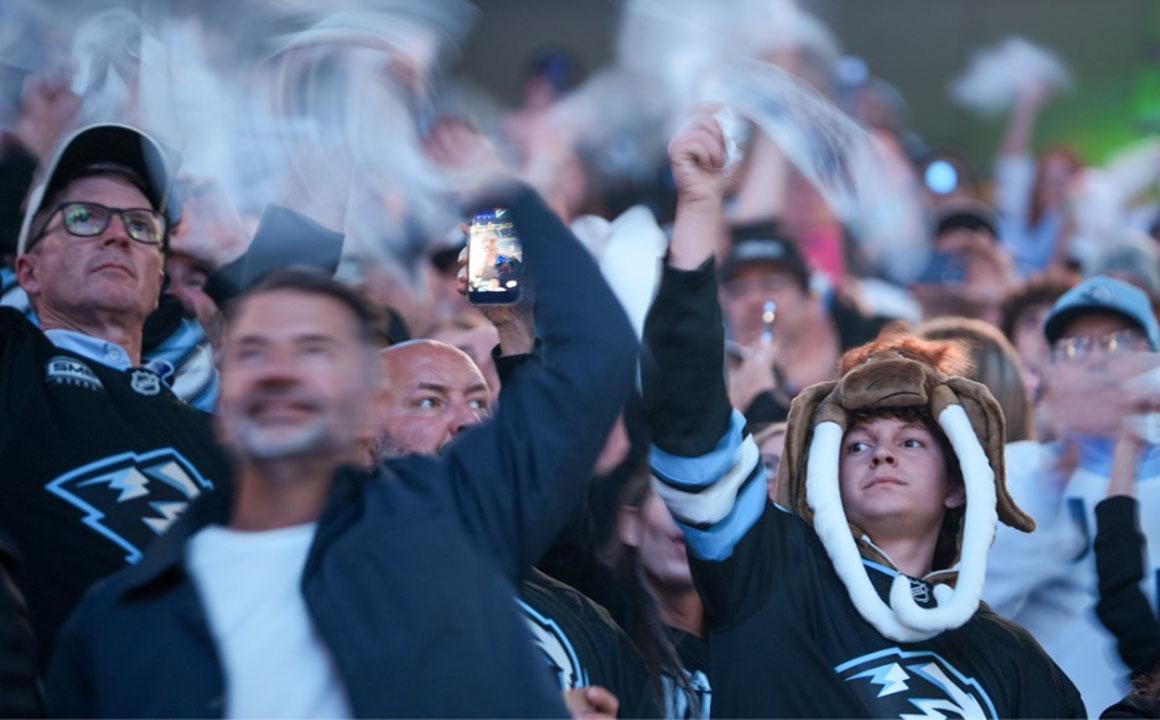
Hockey is one of the few major spectator sports played on a sheet of ice indoors, and that simple fact shapes almost every clothing choice a fan makes. First-timers tend to show up in one of two ways: buried in a ski parka or wearing a short-sleeve shirt. Both usually regret it by the second intermission.
The good news? Dressing for a hockey game isn’t hard once the basics make sense. The arena is cool but not freezing, the seats are tight, and a game with warmups and intermissions can easily run close to three hours. So the goal is comfort that adapts, plus a little team spirit if the mood strikes.
Plenty of fans also like to check the numbers before puck drop, reading up on form, injuries, and goaltending matchups on the way to the rink. Looking over BetFury’s hockey odds can give newcomers a quick sense of which team is expected to control play, and that context might make a random Tuesday game in November feel like it actually matters. It’s a small bit of prep, and it pairs well with picking out the right jersey.
How Cold Is It Inside a Hockey Arena?
Colder than a basketball game, warmer than most people expect. NHL arenas seem to keep the air somewhere in the low 60s Fahrenheit (roughly 16 to 18 degrees Celsius) so the ice stays firm and fast. That’s sweater weather. Not coat weather.
But the temperature changes a lot depending on the seat. Rows right against the glass pick up a steady chill coming off the ice, and anyone who has sat there for a full game knows the cold creeps up through the floor and into the feet first. Upper-level seats can feel noticeably warmer, since heat rises and the crowd adds its own warmth. Concourses are warmer again, especially near the food stands. A fan who walks from the lower bowl to the hot dog line and back has basically passed through two different climates in five minutes.
Minor league and college rinks are a different story. Some smaller community arenas are barely heated, and the stands can feel closer to the temperature of a garage in February.
Layering Basics for Hockey Games
Layers solve almost every problem. They let a fan adjust to the seat, the crowd, and the score (a tied game in the third period tends to make people forget they’re cold at all).
The Base and Middle Layers
A long-sleeve shirt or a thin thermal top is a solid starting point. Over that, a hoodie, fleece, or knit sweater does most of the real work. Cotton is fine for a normal indoor game, though it holds onto moisture if someone spills a drink or gets sweaty cheering. Wool or synthetic fabrics handle that better.
Jeans are the default for most fans, and they’re perfectly fine. People sitting close to the ice sometimes wear thermal leggings underneath, which sounds like overkill until the second period starts and their knees stop feeling the chill from the boards.
What to Do With a Jacket
This is where people get stuck. Arena seats are narrow, legroom is limited, and there’s rarely a good place to put a bulky coat. A packable puffer or a light shell that folds into itself is easier to manage than a heavy winter parka. Some fans just leave the big coat in the car and walk in fast. Risky in January. It works, though.
Wearing a Jersey to a Hockey Game
Jerseys are a big part of hockey culture, and they’re probably the most common piece of fan clothing in any arena. They’re also loose-cut, since they’re designed to fit over shoulder pads, so they layer easily over a hoodie. Handy.
There are a few unwritten rules that longtime fans tend to follow:
- Wearing the home team’s jersey in the home building is always safe.
- Road jerseys in enemy territory are generally fine at most arenas, though fans should expect some friendly (and occasionally less friendly) teasing.
- A jersey from a totally unrelated team can look a little odd, but nobody is going to stop anyone at the door.
- Some fans treat wearing a current player’s jersey as a jinx after that player gets traded, which is less a rule and more a superstition that refuses to die.
No jersey? No problem. A team T-shirt, hoodie, or knit hat in team colors does the same job for a lot less money.
Shoes, Bags, and the Small Stuff
Footwear matters more than people think. Concrete floors near the ice stay cold, and spilled drinks make them slippery. Closed-toe shoes with decent grip are the smart call, and sneakers or casual boots cover most situations. Heels on steep arena stairs are a bad mix, especially when leaving during the rush after the final horn.
Other things worth packing:
- Warm socks, since cold feet seem to be the number one complaint from fans in lower-bowl seats
- A small bag that fits the venue’s rules (many arenas now limit bag size or require clear bags, so checking the team’s website before leaving home saves a trip back to the car)
- Gloves for outdoor walks to and from the arena
- A knit hat, which also doubles as a way to show team colors
(Side note: no outfit will fix the arena smell, that odd mix of popcorn, cold air, and rubber mats. Regulars eventually start to miss it in the offseason.)
Dressing for Outdoor Hockey Games
Outdoor games are a completely different challenge. The NHL Winter Classic started on January 1, 2008, when the Pittsburgh Penguins played the Buffalo Sabres at the Bills’ football stadium in Orchard Park, New York. Snow fell throughout the game, more than 70,000 fans sat in it for hours, and Sidney Crosby ended things with a shootout winner. Those fans weren’t wearing hoodies.
For outdoor events, dressing like it’s a winter football game makes more sense than dressing for an arena. That means thermal base layers, an insulated waterproof coat, a warm hat, gloves, and insulated boots. Hand warmers are cheap and help a lot. Stadium seats are metal or plastic and hold the cold, so some fans bring a small foam cushion if the venue allows it. People also forget that they’ll be sitting still for most of the game, which feels much colder than walking around in the same weather.
Themed Nights and Playoff Traditions
Sometimes the dress code is set by the fan base. In Winnipeg, Jets fans are known for the “Whiteout,” where the crowd wears white during the playoffs and the whole building turns into one bright wall of color. It’s one of the more famous traditions in the sport, and showing up in dark clothes on those nights can feel a bit like wearing jeans to a black-tie event.
Many teams also run Hockey Fights Cancer nights, where players warm up in lavender jerseys and fans are encouraged to wear purple. Checking the team’s promotional calendar before a game can reveal these events, along with giveaway nights where the free T-shirt or scarf becomes part of the outfit.
What Kids Should Wear to a Hockey Game
Kids get cold faster than adults, and they tend to wiggle out of layers and then complain about it twenty minutes later. A few practical ideas help:
- Dress them one layer warmer than the adults.
- Ear protection is worth considering for young children, since goal horns and arena music can get very loud.
- A hat and mittens that clip to the jacket, because anything dropped under stadium seats is probably gone for good.
Is a tiny replica jersey necessary? Not at all. But plenty of parents will say it’s the reason the kid wanted to go back.

Share via:


Leave a Comment