
Why Ingredient Order Matters in Thai-Style Stir-Fry
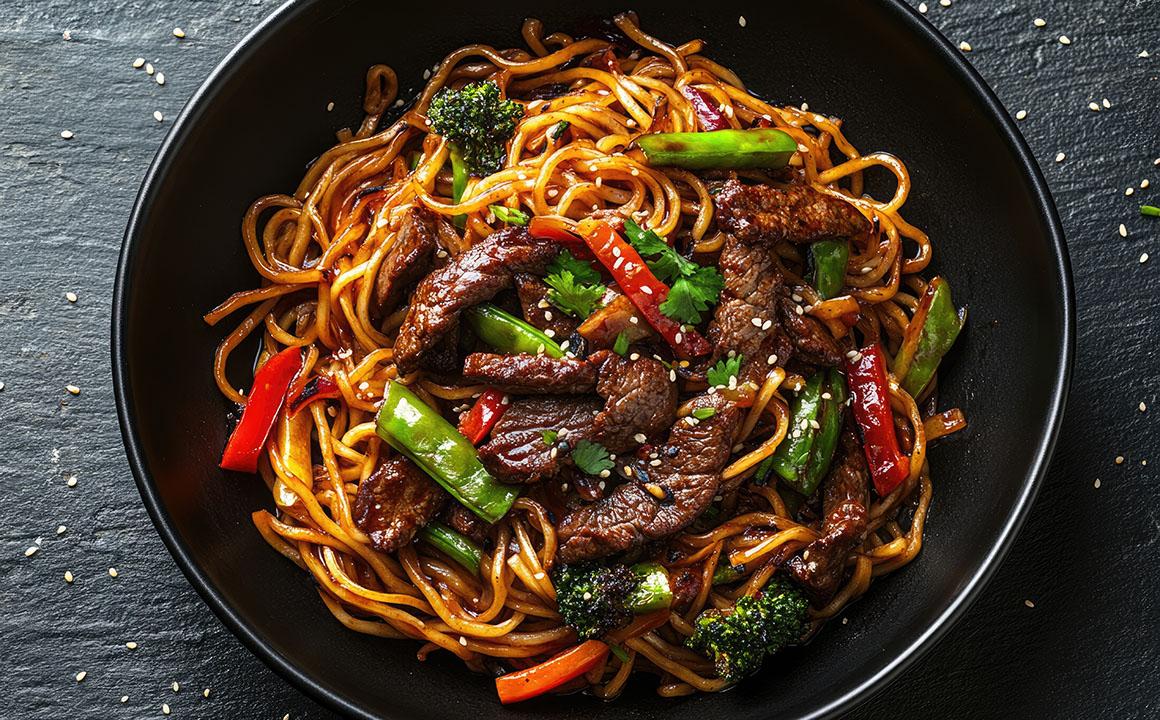
A Thai-style stir-fry may come together in minutes, but the order in which you add ingredients has a major influence on the result. Beef, aromatics, vegetables and sauces all respond differently to high heat, so adding everything at once can lead to tough meat, soggy vegetables or diluted seasoning. By understanding what needs the wok first and what should wait until the end, you can produce better texture, stronger aromas and a more balanced sauce.
Beef Needs Direct Heat First
Beef benefits from being cooked early because it needs contact with a very hot pan to develop browning rather than simply steaming. Adding too much liquid or too many vegetables alongside it lowers the pan temperature, making it harder to achieve the savoury exterior that gives a stir-fry depth.
When preparing a flavourful beef stir fry with a Thai-inspired twist, cooking the beef in batches can be particularly useful. You give each piece enough space to sear quickly, then remove it before it overcooks. The beef can return later once the sauce is ready.
Aromatics Need Brief, Controlled Cooking
Garlic, ginger, chilli and similar aromatics release their flavours quickly in hot oil. Their position in the cooking sequence matters because they can burn if exposed to intense heat for too long.
You will usually get better results by cooking them briefly after the beef has been removed or just before other ingredients are added. This lets their fragrant oils develop without turning bitter. The process also creates an aromatic base that carries through the rest of the dish.
Vegetables Need Different Cooking Times
Not every vegetable should enter the wok at the same moment. Firm vegetables such as carrots, broccoli stems or beans take longer to soften, while leafy greens, bean sprouts and finely sliced vegetables may need only a short burst of heat.
Adding the firmest ingredients first gives you greater control over carryover cooking, where food continues to soften from retained heat even after the pan is removed from the stove. By adding delicate vegetables later, you are more likely to retain the crispness and fresh texture associated with a well-cooked stir-fry.
Sauce Works Better Near the End
Thai-style stir-fry sauces often contain ingredients such as fish sauce, soy sauce, lime, sugar or chilli. Adding these liquids too early can interfere with browning because moisture reduces the effective heat around the food.
Once the beef and vegetables are largely cooked, adding the sauce allows it to coat the ingredients rather than boil them. High heat can then create reduction, concentrating the sauce slightly and helping it cling to the beef and vegetables. Returning the cooked beef at this stage also limits the risk of it becoming tough.
Fresh Ingredients Should Finish the Dish
Some ingredients lose their character when cooked for too long. Fresh basil, coriander, spring onion and lime are good examples because their appeal comes from volatile aromas, brightness and freshness.
Adding these ingredients during the final moments of cooking, or immediately after removing the wok from the heat, helps preserve their flavour. This finishing step also provides contrast to the richer cooked ingredients and concentrated sauce.
Better Timing Creates a Better Stir-Fry
Ingredient order is not simply a matter of following a recipe step by step. It determines how effectively you control heat, moisture, texture and flavour throughout the cooking process. When you sear the beef first, cook aromatics briefly, stagger vegetables according to firmness and leave sauces and fresh ingredients until later, each component receives the treatment it needs. The result is a Thai-style stir-fry with tender beef, crisp vegetables and a sauce that tastes concentrated rather than watery.

Share via:


Leave a Comment