
Why heritage watches are finding new relevance in a digital world
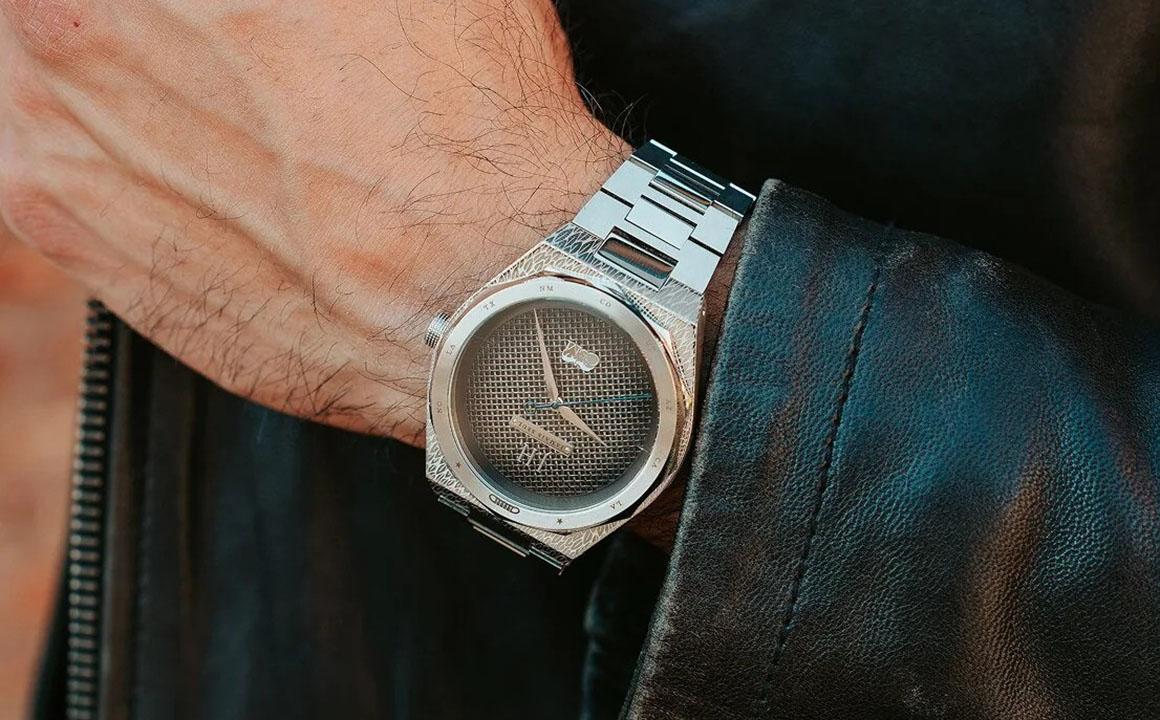
The return of meaning to personal accessories
Smartphones have made it possible to check the time almost anywhere, yet traditional watches are attracting renewed attention. The reason is not simply nostalgia. For many buyers, a watch now represents a deliberate choice to own something physical, durable and connected to a wider story.
This shift is visible across the broader market for heritage-inspired design. Brands such as Col and MacArthur have built their identity around watches that connect personal style with historical references, giving customers a reason to look beyond technical specifications or seasonal trends.
The change reflects a wider consumer mood. After years dominated by digital services, rapid product cycles and constant notifications, people are showing greater interest in objects that invite attention rather than demand it. A mechanical or traditionally designed watch does not compete with a phone; it serves a different purpose.
Why historical references matter
History gives a product an emotional dimension. A design inspired by an explorer, scientist, artist or statesman can turn an everyday accessory into a conversation about ambition, discovery or endurance. The watch remains a practical object, but its meaning extends beyond the wrist.
That appeal is particularly strong among consumers who want their purchases to reflect personal values. Someone may choose a watch linked to navigation because they admire curiosity, or prefer a restrained design associated with discipline and precision. The connection does not need to be literal. Often, a small detail is enough to make the object feel personal.
Heritage design also offers an alternative to disposable fashion. A watch can be worn for years, repaired when necessary and passed between generations. Its value may grow through use, acquiring marks and memories that a newly purchased replacement cannot replicate.
The appeal of a slower purchase
Buying a traditional watch usually involves more consideration than ordering a digital accessory. Customers compare proportions, materials, movement, legibility and comfort. They may also spend time learning about the story behind a collection before making a decision.
That slower process matters in an economy shaped by constant online promotion. Consumers are increasingly wary of products that are designed to be replaced quickly. A well-made watch offers a sense of permanence, even when its design is contemporary.
The appeal is not limited to collectors. First-time buyers are often drawn to watches because they provide a manageable entry point into craftsmanship and design. A person does not need extensive technical knowledge to appreciate a balanced dial, a comfortable strap or the feeling of winding a watch by hand.
Design must serve the story
Historical inspiration works best when it supports the design rather than overwhelms it. A watch covered in unnecessary symbols can feel more like a souvenir than a lasting accessory. The strongest pieces tend to use references with restraint, allowing the shape, colour and materials to remain useful in daily life.
Practicality is central to that balance. A watch inspired by a figure associated with exploration may still need to fit beneath a shirt cuff. A formal model should be readable in ordinary light. A collection aimed at everyday wear must offer comfort as well as a compelling narrative.
This is where modern heritage brands face a demanding task. They must respect the past without reproducing it mechanically. Consumers are interested in history, but they also expect contemporary quality, reliable construction and clear information about what they are buying.
A changing relationship with technology
The popularity of traditional watches does not signal a rejection of technology. Many people wear a smartwatch for exercise, messages or health tracking and use a conventional watch for work, travel or social occasions. The two products can occupy separate roles without competing directly.
That distinction helps explain why the category continues to attract interest. A smartwatch measures activity and delivers information. A traditional watch contributes to appearance, routine and identity. One is primarily functional in a digital sense; the other carries a physical presence that software cannot reproduce.
There is also a growing appreciation for limits. A traditional watch does not flash, vibrate or update. It asks only for occasional attention, which can make it feel calming in an environment built around interruption.
What buyers are looking for now
Today’s customers tend to examine a product from several angles before purchasing. They want a credible story, but they also want transparent specifications, dependable service and a design that will not appear dated within a year.
Key considerations often include:
- Legibility: the dial should be easy to read in everyday conditions.
- Versatility: the watch should work with more than one type of clothing.
- Material quality: the case, crystal and strap should match the intended use.
- Emotional value: the design should have a reason to be remembered.
The strongest purchases usually bring these elements together. A compelling story may attract attention, but comfort and reliability determine whether the watch becomes part of a daily routine.
From accessory to personal record
A watch becomes more meaningful through repeated use. It may accompany a new job, a long journey, a graduation or a family celebration. Those associations gradually become part of the object, turning a manufactured item into a record of time spent and experiences shared.
That may be the most relevant reason heritage watches are gaining ground. In a marketplace filled with products that promise novelty, they offer continuity. Their value is not based only on what they can do, but on what they can come to represent.

Share via:


Leave a Comment