Balayage: A Practical Guide to Technique, Color, Maintenance, and Aftercare
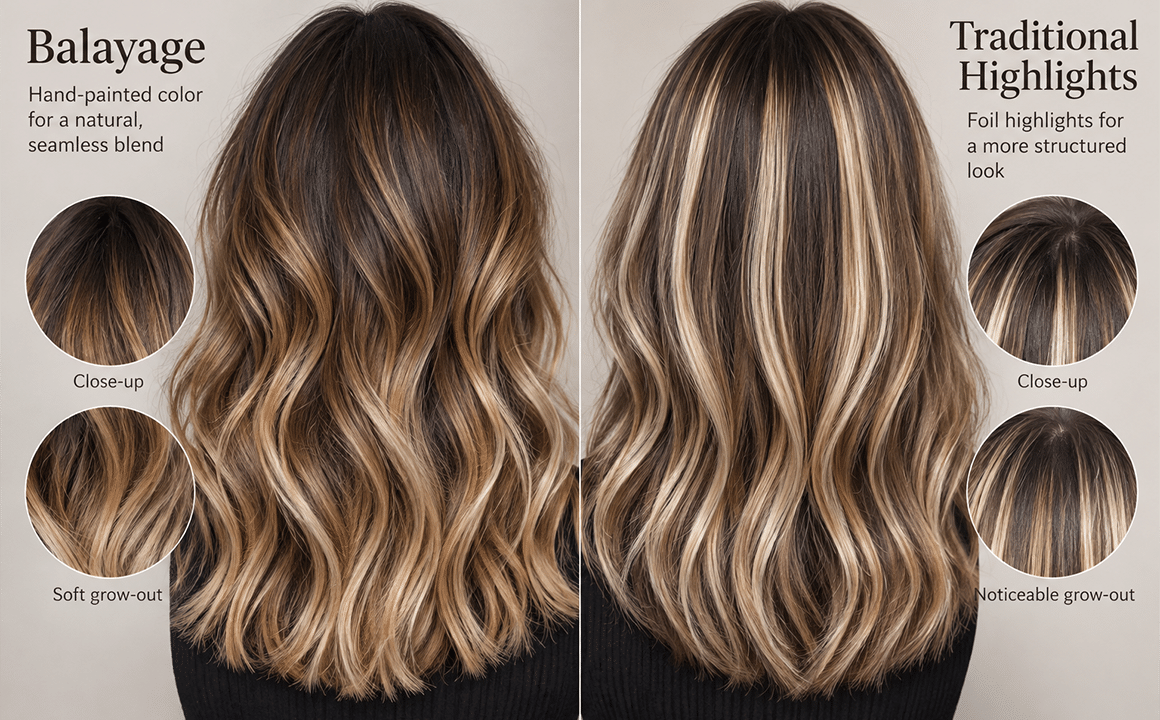
Balayage remains one of the most requested hair-color techniques because it creates soft, dimensional color without the obvious regrowth line associated with many traditional highlights. Strategically placed lighter pieces add brightness and movement while allowing the natural root color to remain part of the finished look.
From balayage vs. foil highlights and blonde balayage ideas to full vs. partial placement, maintenance, pricing, and aftercare, here is what to know before booking your next color appointment.
What Is Balayage?
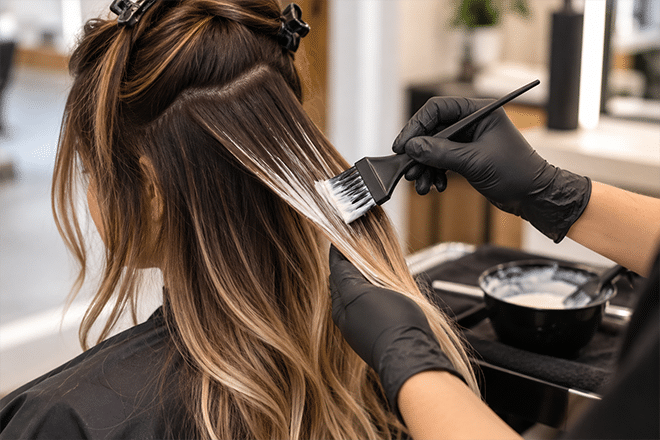
The word balayage comes from a French word meaning “to sweep.” In hair coloring, it describes a freehand highlighting technique and balayage technique in which the stylist hand paints, or uses a brush to paint, lightener onto selected sections in sweeping motions to create a graduated, blended result. Lightness is often concentrated through the mid-lengths and ends; balayage starts away from the roots, with more focus on mid-lengths and lighter ends for a naturally blended result.
Balayage is a technique, not a single shade. It can be used for blonde, caramel, brunette, copper, and other tones. Placement, tone, contrast, and the amount of lightening can all be customized according to the haircut, natural base color, texture, and desired result. It can lighten hair while still leaving some natural colour visible for a natural-looking, seamless blend.
If you are exploring balayage hair and want a clearer idea of how different tones might suit your overall look, Facefy can be a useful starting point before a salon consultation. You can also use its virtual hair color try-on to compare caramel, beige, blonde, or other directions before committing to permanent color.
Balayage vs. Foil Highlights
Balayage and traditional highlights can both brighten the hair, but their application and finished appearance differ. Traditional highlights are commonly created by separating strands and enclosing them in traditional foils. Compared with balayage, this more structured placement can create more defined ribbons of light and sometimes more-harsh lines.
The difference between balayage and highlights is both the way color is applied and how it will grow out over time. Balayage is usually more visually customized. The colorist paints selected areas to control where lightness begins and becomes stronger, often producing softer contrast and a more low-maintenance finish than traditional foil highlights when the natural root is preserved. Colorists may also combine balayage-style placement with foils when additional lift is needed, a technique sometimes called foilayage. Traditional highlights typically need touch-ups every 6 to 8 weeks, while balayage usually grows out more softly.
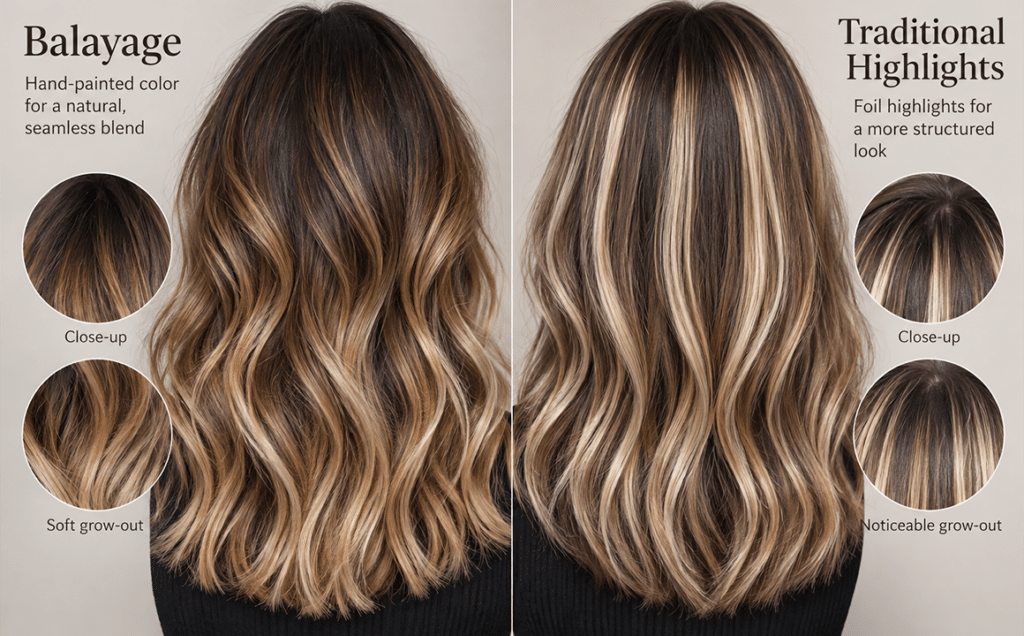
Balayage should not be confused with ombré. Ombré describes a gradual transition from a darker area into a lighter lower section, while balayage describes an application technique. Another difference is that ombré usually keeps darker roots with a stronger, sometimes stark contrast, while balayage focuses on soft, natural-looking brightness.
Full, Partial, and Reverse Balayage
A full balayage distributes highlights throughout more areas of the hair, including the top, sides, and often underneath. It suits someone seeking an overall brighter appearance or a substantial dimensional change, and medium to long hair often shows that dimension especially well because there is more space for the color transition, but it usually requires more time and product.
Partial balayage concentrates lightness in selected areas, often around the face and top layers, with a focus on face-framing pieces to brighten the hairline without placing lightener everywhere. It can work well for a first balayage or for maintaining an existing look without re-lightening every section. Reverse balayage instead adds darker tones to restore depth, soften contrast, or create separation between lighter pieces.
Choosing a Balayage Color
The result you can realistically achieve depends on your starting color, previous chemical services, hair condition, desired lightness, and skin tone. Very dark hair generally requires more lift to reach pale blonde shades, while caramel, mocha, chestnut, golden blonde, and cooler or deeper brunette options can create dimension with less dramatic lightening. Major transformations may require multiple appointments.
Medium brown hair offers flexibility for honey, caramel, beige, bronde, and dark blonde tones. Already-blonde hair may need less dramatic lifting and more attention to placement, depth, and toning. Adding slightly darker pieces can also make existing blonde sections appear brighter through contrast.
When comparing hair color ideas, Facefy gives you a practical way to visualize different directions before deciding what to discuss with your colorist. Warm families such as honey, caramel, copper, and gold create a different effect from beige, ash, pearl, and cooler tones, while neutral shades can sit between them. Personal preference, natural hair color, eye color, wardrobe, maintenance expectations, and desired contrast should all influence the choice, and the best balayage usually comes from pairing realistic shade goals with the right haircut and consultation images.
Hair Texture, Haircut, and Placement
Balayage can be tailored across different hair types, textures, and densities. Fine hair may benefit from carefully distributed highlights that create dimension without overwhelming the base. Thick hair may require more strategic sections so the lightness remains visible.
Curly and coily hair needs thoughtful placement because the finished color is seen through the curl pattern. The haircut matters too. Layers, face-framing sections, bangs, and overall length affect where strategically placed subtle highlights are most noticeable, while natural-looking highlights can emphasize movement without overwhelming the cut. Face-framing sections are especially useful for creating soft brightness around the face. Before changing both cut and color, you can try different hairstyles virtually and use the results as inspiration. Real outcomes still depend on texture, density, styling, and growth patterns.
What Happens During a Balayage Appointment?
A professional appointment generally begins with a consultation. Your stylist assesses your starting color, previous chemical treatments, hair condition, desired shade, and maintenance expectations. During this step, professional colorists also plan placement, tone, and upkeep around your hair history. Bringing inspiration photos, including examples you do not like, can make discussions about warmth, contrast, and root depth clearer.
The stylist then sections the hair and uses freehand painting to apply lightener according to the planned placement, with the brush dipped in lightener as they work through selected sections. Processing time varies with hair history, condition, product choice, starting level, and target shade. After rinsing, a toner or gloss may refine warmth and create the intended shade. Some salons charge separately for toner. This is also the stage where a new balayage is toned and styled into its finished look. A partial service may take a couple of hours, while major transformations on long, thick, dark, or previously colored hair can take considerably longer, since a blow dry and final style are often part of the appointment before you see the finished result.
Maintenance, Damage, and Cost for Color-Treated Hair
There is no universal maintenance schedule. A subtle brunette balayage with minimal contrast may require relatively little upkeep, while cool, pale blonde balayage on a darker base usually needs more maintenance as toner fades. With proper care, balayage highlights often last about 3 to 4 months, and in some cases 3 to 6 months before a major refresh. Some people go several months between major lightening appointments while scheduling gloss or toner services in between, and balayage work is often valued because it grows out softly compared with more structured highlighting. Touch-ups are often booked every 8 to 12 weeks for toner, gloss, or small adjustments rather than full re-lightening.
Balayage usually involves lightener, so it is not damage-free. Lightening chemically alters hair to remove pigment, and the amount of structural change depends on formula strength, processing time, starting condition, previous treatments, and repeated overlap. Color-treated hair or heavily lightened hair requires extra caution, and a multi-session plan may be more appropriate for major transformations.
Prices vary by salon, location, stylist experience, hair length and density, starting color, and complexity. Professional services often run about $150 to $300+, while partial balayage may range from $75 to $300. In NYC, pricing can exceed $400, and in the UK, expect to pay at least £175. A consultation and itemized quote are more useful than relying on a broad online estimate.
Balayage Aftercare
Use shampoo and conditioner suited to your scalp, hair type, and color-treated lengths. If daily washing is unnecessary, spacing washes may help preserve toner and reduce repeated styling. Regular conditioner and occasional deeper treatments can help manage dryness, especially through lightened ends.
Purple shampoo can temporarily counter visible yellow tones in blonde hair, but it is not necessary for every shade. Excessive use can make some blondes look dull or overly cool. Follow product directions and ask your colorist how often it suits your particular tone. Use heat protection before blow-drying, curling, or straightening, and avoid hotter temperatures than necessary.
You may not need new highlights simply because toner has faded. A gloss or toner appointment can refresh shade and shine while keeping the existing placement intact.
Should You Try Balayage at Home?
Home highlighting products exist, but balayage requires control over section size, saturation, product strength, processing, porosity, and overlap with previously lightened hair. DIY problems can include patchy lightening, unwanted orange or yellow areas, visible bands, excessive dryness, fragile ends, and uneven placement.
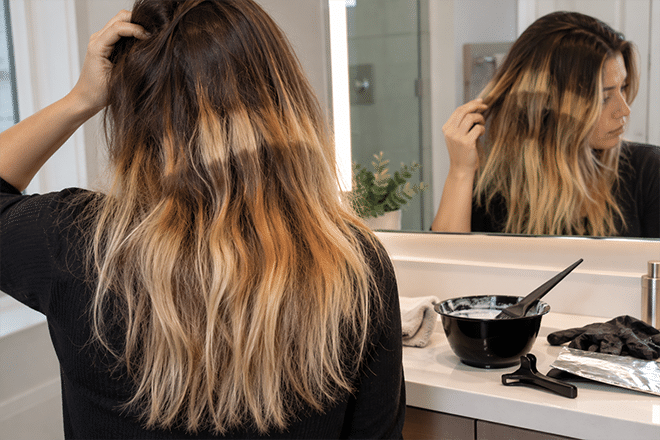
Temporary or deposit-only products are lower commitment. For substantial lightening, major corrections, or balayage over previously colored hair, an experienced colorist can assess the hair in person and determine a more realistic path toward the desired result.
Final Thoughts
Balayage makes the most sense when you want strategically placed dimension rather than completely uniform color. It can create a subtle sun-lightened effect or a bolder transformation with prominent ribbons of brightness, and the technique can be adapted to different lengths, textures, colors, and maintenance preferences.
The key is treating balayage as a customizable technique rather than one predetermined look. Start with realistic expectations about your current hair, decide how much contrast and upkeep you are comfortable with, and use your consultation to build a color plan around those priorities.


Leave a Comment