How Oral Care Is Moving Closer to Beauty Product Development

Oral care used to be a simple category. A brand chose a toothpaste or mouthwash, selected a flavour, approved a bottle, and moved toward production. That still happens, but many new briefs now look different. Brand teams ask about colour, texture, flavour layers, bottle shape, dispensing and the way the product sits beside skincare or personal-care products. The language is getting closer to beauty product development.
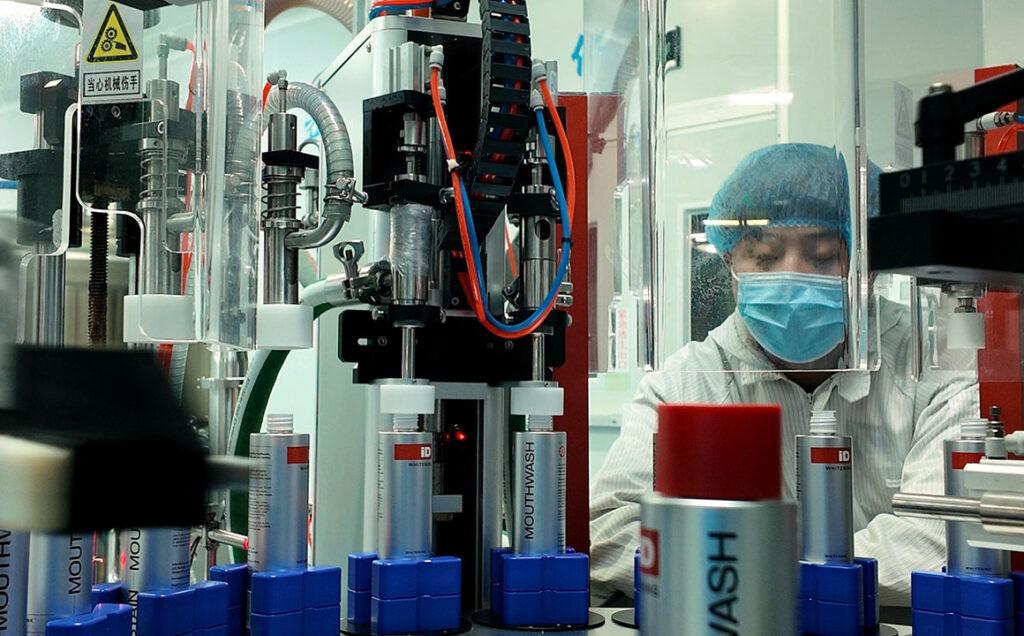
From a Chinese manufacturing floor, this change is easy to see. A buyer may ask for a clear mouthwash with a cleaner visual style. Another wants a compact breath spray that feels like a beauty accessory. A toothpaste project may start with a request for a different texture or a more premium dispensing format. None of these ideas is unusual. The work begins when we turn the idea into something that can be made repeatedly.
The first lesson is that appearance is not separate from formulation. A colour system has to remain stable. Visible particles have to stay visually acceptable. A transparent liquid has to remain clear. A flavour oil has to stay properly dispersed. What looks attractive in a first sample still needs to look right after storage and after the product has moved through normal filling and packing steps.
Packaging is also more than decoration. Beauty teams often start with the pack because it defines the visual direction. At the factory, we have to ask a second set of questions. Can the product be filled through the selected opening? Does the pump or spray device work with the formula? Is the viscosity suitable? Does the bottle material match the product? Can the same pack run consistently when the order moves from samples to commercial quantities?
We see this clearly with spray formats. A small oral spray can look simple, but the liquid has to pass through a small nozzle again and again. Oils, botanical materials and the overall solubilizing system can affect spray performance. A beautiful pack is not useful if the nozzle does not work reliably. For this reason, formula and device selection should be discussed together, not in two separate stages.

Sensory design creates the same type of connection. “More mint” sounds like a small request. In practice, we need to know whether the brand wants a stronger opening note, more cooling, less sweetness, a shorter aftertaste or a longer fresh feeling. These are different jobs. Sometimes we can adjust the flavour without touching the base formula. Sometimes the change affects clarity, solubility or the balance of the whole system.
This is one reason oral care is moving closer to beauty. The user does not experience an ingredient list. The user experiences the first taste, the texture, the cooling level, the bottle, the spray or pump, and what remains after use. A good product makes these parts feel simple. Behind that simple experience, the development team has to control many small details.
The move also changes how brands should brief a manufacturer. A useful brief does not need to be highly technical, but it should explain the intended experience. Is the product meant to feel clinical, minimal, playful or premium? Is the cooling mild or strong? Is the packaging already fixed, or can it change after compatibility review? Which features are essential, and which are only preferences? Clear answers save sample rounds.
At ORALABX, we normally treat the prototype as the beginning of this discussion, not the end. A sample can show that an idea is possible. Commercial development asks more practical questions: can the formula remain stable, can the packaging dispense it correctly, can the filling process run it consistently, and can the same result be repeated from batch to batch?
Beauty-led oral care gives brands more room to create a distinctive product. It also makes early manufacturing input more useful. The best results usually come when the formula, sensory target, packaging and production method are developed as one product rather than four separate decisions.
About the source: Peter Xie is OEM Project Director at ORALABX .


Leave a Comment