
Custom Neon Signs for a New Store: 6 Sign Types to Plan Before Launch

Signage decisions should be made before fixtures reach their final positions. Waiting until opening week can leave a store with blocked sightlines, visible cables, or no suitable outlet near the entrance. A simple lighting plan helps each sign serve a clear purpose.
The best setup rarely depends on one oversized display. A storefront needs to announce that the business is operating, identify the brand, guide customers through the space, and create a memorable interior. These six sign types can cover those jobs without making the store feel crowded.
1. A Brand Sign for the Main Identification Point
Your primary brand display should be recognizable within seconds. It often belongs behind the checkout counter, on the reception wall, opposite the entrance, or inside a front window.

Logo neon signs turn a company mark, wordmark, or emblem into illuminated wall signage. The artwork may need slight simplification because thin lines, gradients, shadows, and tiny text do not always translate well into flexible tubing. Ask for a mockup and compare it with the original brand file before approving production.
For exterior or long-term brand identification, custom metal signs can provide a durable option for storefronts, reception areas, and branded walls. If the goal is to create stronger visibility after dark, backlit signs can add controlled illumination behind a logo, lettering, or shaped panel. Compare the viewing distance, wall finish, available power source, and installation method before choosing the final format.
Mark the proposed dimensions with painter’s tape, then view the outline from the doorway and main customer path. The logo should remain readable without overpowering nearby displays.
2. An Open Sign for the Entrance
A customer should be able to tell whether the store is open before approaching the door. Open neon signs provide a bright, familiar message that can be seen through a window, particularly during evening hours or poor weather.

Place the sign where shelving, posters, reflections, and door frames will not obstruct it. Check visibility from the sidewalk during the day and after dark. Adjustable controls can help reduce nighttime glare.
Plan the cable route before installation. The outlet should be accessible without creating a trip hazard. If the sign will face direct sunlight or sit near an exterior door, confirm that its construction suits those conditions.
3. Custom Lettering for Departments and Service Areas
Individual words can help customers understand the layout without relying on small printed labels. Custom neon letters can identify areas such as Pickup, Checkout, Fitting Rooms, Café, Studio, or Repairs.
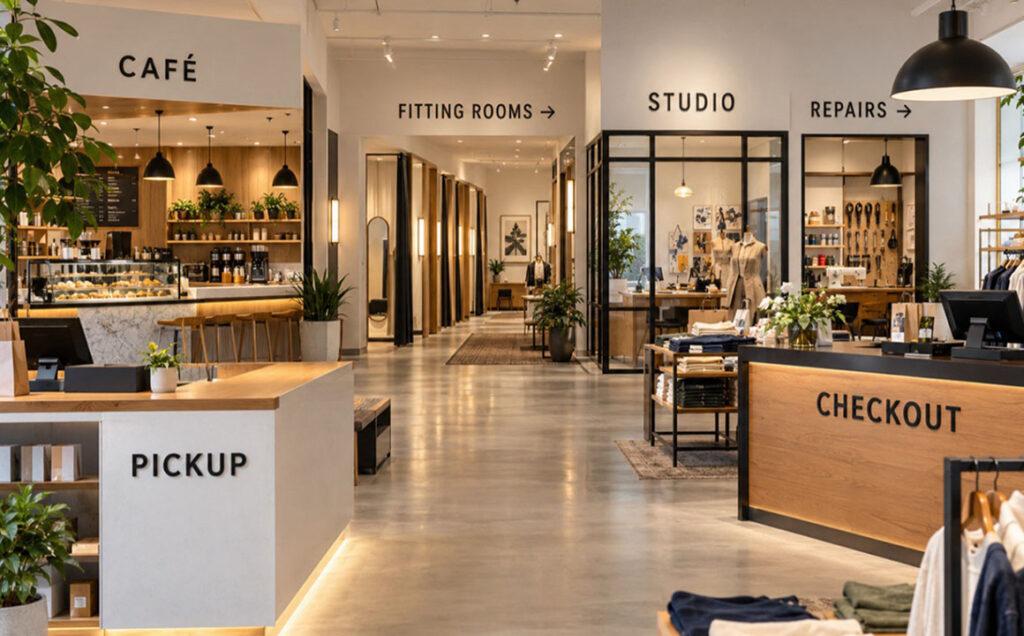
Use the same font family and color approach across related areas. The signs need not share one size, but they should feel connected.
Many buyers search for custom neon name signs when they want a personal word or business name. For a commercial setting, readability deserves priority over decorative flourishes. Simple letter shapes and comfortable spacing usually remain clearer from across the room.
4. Flexible Accent Lighting for Shelves and Counters
Neon rope lights can add continuous illumination along shelves, counters, wall edges, display cases, or architectural features. They work differently from a message-based sign: the goal is to define a surface, guide attention, or support the store’s atmosphere.

Use accent lighting selectively. Outlining every fixture can compete with the merchandise. Highlight a few priority areas, such as a new-product shelf, checkout counter, or branded photo corner.
Confirm where the rope will start and end, how it will turn corners, and where the controller and power supply will sit. Any cut-to-length installation must follow the product’s designated cutting points. NeonChamp provides product specifications and installation information that should be reviewed before the lighting is fitted to a surface.
5. A Custom Message Sign for the Customer Experience
A short phrase can communicate personality more effectively than a long wall paragraph. Neon Custom signs may feature a slogan, local reference, product promise, or phrase customers associate with the business.
Keep the wording brief. A custom LED sign with three to six words is usually easier to read, photograph, and remember. Check that the phrase fits the brand voice beyond one seasonal campaign.
Placement matters here too. A message beside a mirror, waiting area, product demonstration space, or photo wall can support customer interaction. It should not compete with safety information, prices, or directional signs.
Businesses comparing custom LED neon signs should examine size, tubing color, backboard shape, mounting method, brightness control, and indoor or outdoor suitability. Those details affect the finished appearance more than a design shown against a generic website background.
6. Directional and Operational Signs
Illuminated signage can also solve practical problems. Directional neon light signs can point customers toward pickup counters, restrooms, second-floor departments, or event areas. Operational messages may identify online-order collection, private appointments, or a separate service entrance.
Do not use decorative lighting as a substitute for legally required exit, accessibility, occupancy, or safety signage.
For custom design neon signs, ask whether arrows, symbols, and words can be combined without making the layout too dense. A sign viewed from a distance should deliver one instruction quickly. High contrast between the illuminated tubing and surrounding wall also improves visibility.
Coordinate the Six Sign Types Before Ordering
Create a simple floor plan showing the location, dimensions, purpose, viewing distance, and power source for every proposed sign. This prevents several pieces from competing for the same sightline. It also reveals where electrical work or concealed cable routing may be needed.
Keep the color palette controlled. Your main logo can use brand colors, whereas wayfinding and accent lighting may use one supporting shade. Custom made neon signs do not need to match perfectly in size, but consistent colors, backboards, and mounting finishes help them feel like part of one store.
Search phrases such as custom LED signs, LED signs custom, and neon sign custom can produce products with very different specifications. Compare complete quotes using the same dimensions and features. Check what is included, such as the power adapter, dimmer, remote, hanging kit, wall hardware, shipping, and warranty.
NeonChamp lets businesses create text-based neon designs, upload logos, browse open signs, choose letter products, add rope lighting, and explore metal or backlit sign options through one brand. This can simplify coordination when several signage elements are planned for the same store.
Build the Lighting Plan Around Customer Movement
Start with function. The entrance sign communicates availability, the logo confirms identity, lettering organizes the interior, rope lighting highlights priority areas, a message creates personality, and directional signs support navigation. Each piece should earn its position.
Before ordering any Neon signs, review the plan at the actual store. Check sightlines from outside, walk the main customer route, locate outlets, and identify surfaces that can safely support the hardware. Ask your landlord or local authority about applicable sign rules before arranging exterior installation.
NeonChamp can help turn approved text or artwork into illuminated products, but accurate measurements and clear installation details must come from the buyer. Plan those details early, approve every mockup carefully, and the finished signs can feel integrated into the store rather than added at the last minute.




Leave a Comment