
How to Choose a Pre-Owned Rolex That Fits Your Personal Style
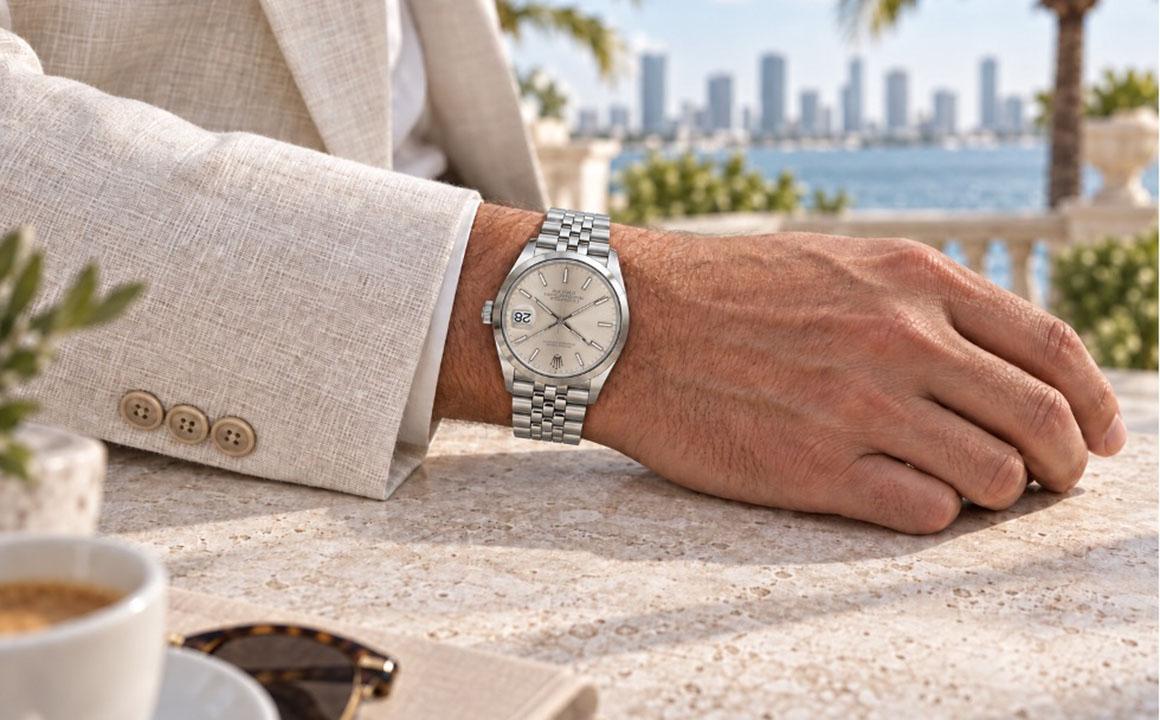
A watch can look exactly right in a photograph and surprisingly wrong on your wrist. The dial seems larger than you expected. The bracelet feels heavier. The polished finish catches more light than anything else you are wearing. None of those details makes it a bad watch, but they can make it the wrong one for you.
Choosing a Rolex becomes easier when you start with your own wardrobe. Think about the shirts you wear to work, the jewelry you rarely take off, and what you reach for on a Saturday morning. A watch that works with those choices has a better chance of becoming something you enjoy regularly.
There is no single model that suits every person or occasion. Case proportions, dial color, metal, and bracelet design all affect the impression. When buying pre-owned, the condition and history of the individual watch matter just as much. Give yourself room to compare both the look and the practical details before settling on a favorite.
If you are ready to shop rolex watches, Golden Anvil Jewelers in Jupiter, Florida, offers a collection to explore as you narrow your preferences. Begin with a few designs that interest you, then ask what distinguishes the actual watches available. A familiar model name is only the beginning of the decision.
Look at Your Wardrobe Before Looking at References
Put together three outfits you wear often: one for an ordinary workday, one for the weekend, and one for an evening out. You do not need to dress up specifically for a watch. You need to understand how it looks with the clothes you already enjoy.
If your wardrobe leans toward cotton shirts, denim, and simple knits, a watch with a relatively restrained dial may be easy to wear. If you favor expressive accessories, you might prefer a more decorative bezel or a stronger contrast between the dial and bracelet.
Notice your usual metal choices without treating them as restrictions. Someone who wears a gold wedding band can still enjoy a steel watch. A two-tone model might appeal because it connects different pieces already in the jewelry box.
Take photographs of those outfits to an appointment, or wear your most familiar combination. A watch should feel convincing with your everyday shirt, not only against the velvet of a display tray.
Judge Fit by More Than Case Diameter
The number in a listing cannot tell you everything about fit. Diameter matters, but so do case thickness, the shape of the lugs, and how the bracelet curves around your wrist. Two watches with similar measurements may feel noticeably different.
Look down at the watch, then check it in a mirror with your arm resting naturally. Close-up phone photographs can exaggerate size. A view of your whole outfit gives a more useful sense of proportion.
See whether the case sits securely without overhanging your wrist. Move your hand, bend your wrist gently, and check that the crown does not press uncomfortably into your skin. If you wear fitted cuffs, try sliding the watch beneath one.
Bracelet adjustment deserves its own conversation. Ask whether enough links are included for your wrist and what adjustment options the particular clasp provides. Do not assume every example of a model has the same bracelet or clasp, especially when comparing watches from different production periods.
Choose the proportions you enjoy. A smaller watch can look intentional on a larger wrist, and a more substantial watch can suit someone who likes bold accessories. Comfort is a better guide than a category label.
Use Model Families to Narrow the Search
Model names are useful when they help you describe what you like. They become less useful when you feel obliged to choose one because it is recognizable.
The Datejust is a sensible starting point for comparing different visual treatments. Its date display is a defining feature, while the available combinations vary by reference and production period. A smooth bezel and a more decorative bezel create different impressions, even before you consider dial color or bracelet design. Rolex’s Datejust collection illustrates the range within the family.
If you prefer a simpler-looking dial, consider whether an Oyster Perpetual appeals to you. If a sportier appearance is part of the attraction, compare examples from the Submariner or Explorer families. Look at the actual reference rather than assuming a model name guarantees a particular size or specification.
Keep your shortlist small. Choose two or three watches that differ in ways you can explain: one feels lighter, another has a dial you find easier to read, and a third works particularly well with your clothes. That gives you something concrete to discuss with the seller.
Let the Dial Color Earn Its Place
A dial occupies a small area, but its color can change how you use the watch. Black, silver, and lighter neutral shades are worth comparing against your usual clothing. Blue may appeal if navy and denim feature heavily in your wardrobe.
Look at the watch under ordinary lighting as well as bright display lights. A dial may appear darker or more reflective as you move your wrist. Ask for clear photographs when shopping remotely, including views that show the surface without strong glare.
You do not have to choose a neutral color purely for versatility. If you love a particular shade and already wear it often, it may be the most natural choice. The useful question is whether you enjoy it outside the product photograph.
Consider legibility, too. Look at the contrast between hands, markers, and dial. A beautiful combination should still let you read the time comfortably. Try it without bringing your wrist unusually close to your face.
Balance the Watch With Your Other Jewelry
A watch does not require you to abandon rings, bracelets, or earrings. It does help to decide which piece you want to draw attention to first.
With a more decorative watch, try wearing fewer accessories on the same wrist. A ring on the opposite hand or simple earrings may provide enough balance. If your watch is visually restrained, you might enjoy pairing it with a more prominent necklace.
Mixing metals is a matter of preference. Repeat a metal somewhere else in the outfit if that makes the combination feel more deliberate, but there is no need to match every buckle and clasp.
Be practical about bracelets worn beside a watch. Metal and gemstones can rub against the case or bracelet. Wear them on the other wrist if they knock together or if avoiding extra surface marks matters to you. The combination should feel comfortable when you type, drive, or rest your arm on a table.
Style It for the Week You Actually Have
For work, consider the watch alongside your cuffs and other accessories. A simple shirt gives a dial room to show, while a patterned sleeve may make a quieter combination more appealing. Try the jacket you wear most frequently before deciding that a watch is too large or too formal.
On weekends, a steel bracelet can look at home with denim, a knit polo, or a relaxed dress. The watch can be the same one you wore to work. Change the surrounding clothes before assuming you need a different timepiece for every occasion.
For an evening outfit, check the whole look rather than concentrating only on the wrist. Tailoring, fabric, and jewelry work together. A watch you enjoy with linen during the day may also suit dinner with a darker jacket.
In Jupiter and the wider Palm Beach area, warm-weather clothing often leaves the wrist visible. Think about how the watch feels during an ordinary day, including time outside and in air-conditioned spaces. Ask about fit adjustments if your wrist size fluctuates. A bracelet that feels perfect for a few minutes should also be comfortable after several hours.
Inspect the Individual Watch Before Buying
Pre-owned watches need individual assessment. Two examples of the same reference can differ in condition, service history, accompanying documents, and the parts fitted to them. Attractive photographs do not answer all of those questions.
Ask the seller to explain the authentication process and what information supports the description. Check whether the dial, hands, bezel, and bracelet are described as original, service replacements, or aftermarket components. A replacement part is something to understand in context, and any uncertainty should be made clear before purchase.
Discuss polishing and visible wear. Ask for photographs of the case sides, lugs, clasp, and bracelet as well as the dial. A mark that is acceptable to one buyer may bother another. Your preferences should guide the conversation.
Box and papers are useful details to record, but they should not replace assessment of the watch itself. Confirm what is included, what has been checked, and which claims appear on the invoice. Ask for the warranty and return terms in writing.
If a seller uses the word certified, ask who provides that certification and what it covers. Dealer checks should not be assumed to mean participation in a manufacturer’s certification program.
Make Room for Ownership Beyond the Purchase
Set a comfortable overall budget, including any anticipated servicing or bracelet adjustments. Ask whether work is recommended now and whether it is included in the price. A vague statement that a watch has been checked is different from a documented service history.
Learn how to operate the particular reference before leaving with it. Ask for instructions on winding, setting the time, and using any additional functions. Follow the guidance for that watch rather than copying instructions intended for a different model.
Rolex provides care and servicing guidance, including checking that the winding crown is properly secured before cleaning. For a pre-owned watch, have its present water resistance assessed before relying on it around water. The original specification alone does not establish its current condition.
This matters if weekends involve boating, swimming, or beach visits. Discuss those activities with the seller or a qualified watchmaker. Store the watch securely when you remove it, and keep it from rubbing against other jewelry. A little preparation makes ownership easier and helps you avoid treating a familiar brand name as a substitute for care.
Choose the Watch You Want to Put On
After comparing references and asking the practical questions, return to your first three outfits. Which watch looks right with them? Which feels comfortable without constant adjustment? Which dial do you enjoy looking at once the excitement of trying it on settles?
For shoppers in South Florida, an in-person visit to Golden Anvil Jewelers in Jupiter gives you an opportunity to discuss those preferences and examine available pieces. Bring your questions about fit, condition, and ongoing care along with your shortlist.
You do not need to choose the most conspicuous watch in the room. Choose the one that feels right when you get dressed and makes sense for the way you live. That is the piece most likely to spend its time on your wrist.

Share via:


Leave a Comment