
Luxury Cars and the Influence of Fashion on Personal Style
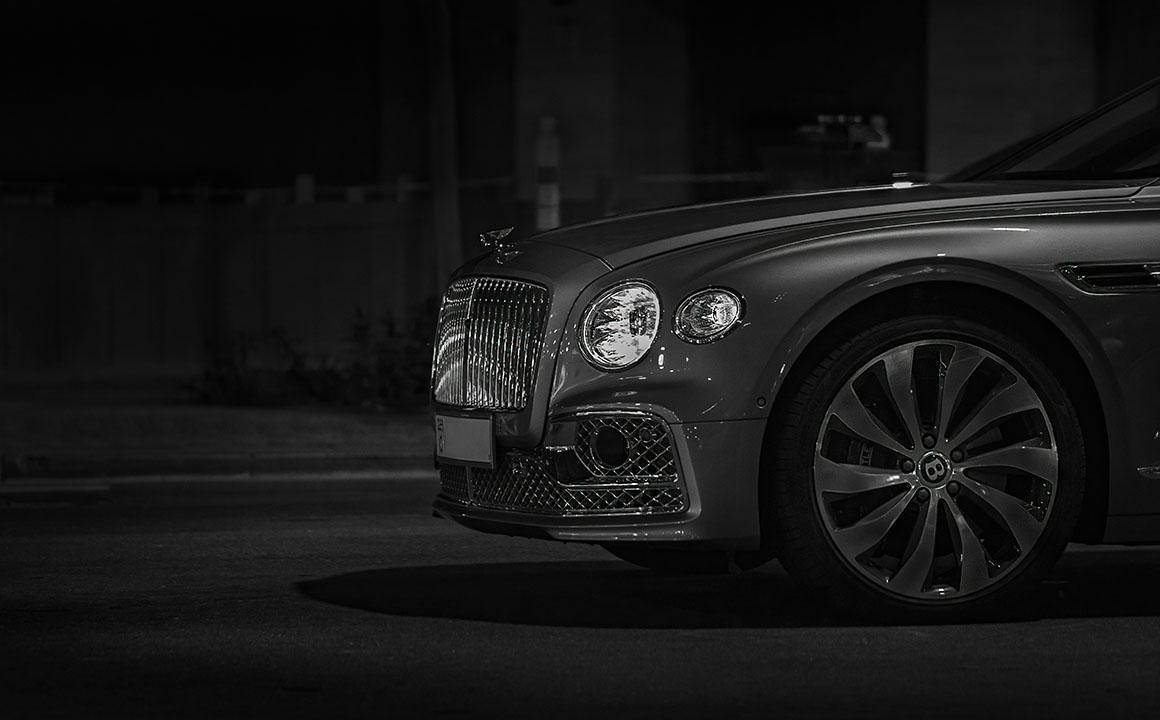
High fashion and luxury automobiles have shared a deep aesthetic relationship for over a century. Personal style relies on visual expressions of identity, where high-end vehicles act as mobile wardrobe extensions.
Selecting a top-tier vehicle reflects personal values, precision craftsmanship, and aesthetic taste. Automotive designs borrow directly from seasonal fashion palettes, creating a seamless lifestyle statement.
Automotive Design as an Extension of Haute Couture
Vehicle manufacturers frequently collaborate with top fashion houses to curate exclusive interior trims and exterior paint options. Leather stitching pattern choices mirror modern leather goods production, bringing runway craftsmanship directly to personal transport.
Every custom detail in a prestige automobile serves as a curated choice for personal expression. Driving a custom vehicle lets individuals broadcast their appreciation for high design before saying a word.
How Craftsmanship Defines Personal Aesthetics
Intricate upholstery and hand-finished wooden accents reflect the exact precision seen in bespoke tailoring. Owners choose specific colorways and interior finishes to match their personal fashion collections. If you take a look at this Charlotte Rolls-Royce dealership, you’ll see how buyers customize vehicles to reflect their clothing tastes. These tailored choices turn personal vehicles into signature aesthetic markers.
Vehicle owners view custom automotive options through the same lens as signature designer accessories:
- Custom contrast stitching matching personal accessories
- Bespoke paint options aligned with seasonal color palettes
- Hand-selected interior materials mirroring luxury textiles
Status Signaling Through Quiet Luxury
Modern style movements lean heavily toward understated elegance, moving away from loud logo placements. High-net-worth consumers often prefer discreet markers of quality that only true design enthusiasts recognize.
Prestige vehicles embody this quiet luxury trend by prioritizing sleek silhouettes, refined performance, and whisper-quiet cabins. True luxury relies on superior material selection and masterful engineering rather than aggressive visual branding.
The Role of Color Trends Across Industries
Color forecasters continuously bridge the gap between runway clothing releases and automotive paint booths. Rich earth tones, deep metallic hues, and matte finishes regularly transition from haute couture lines directly into automotive option catalogs.
Car buyers use these curated shade selections to align their garage choices with their everyday wardrobe styling. Selecting matching palettes across clothing and transport creates a unified, sophisticated presentation.
Interior Textiles and High-Fashion Materials
Automotive cabins now feature cashmere blends, wool fabrics, and sustainably sourced luxury textiles alongside traditionally preferred leathers. These material choices closely mirror top-tier fashion trends emphasizing tactile comfort and environmental awareness.
Cabin interiors mimic the cozy sophistication of tailor-made coats or high-end lounge wear. Owners enjoy a seamless tactile transition when stepping from a curated wardrobe into a custom-fitted cabin space.
Bespoke Customization and Self-Expression
Personalization programs offer car enthusiasts virtually unlimited creative control over vehicle specifications. Drivers design unique vehicles that mirror their individual aesthetic philosophies and lifestyle priorities.
Custom headliners, personalized tread plates, and unique leather dyes transform standard models into singular art pieces. Self-expression thrives when personal transportation matches individual clothing style choices.
Automotive design elements represent tailored style choices:
- Custom tread plates engraved with personal monograms
- Starlight headliners mimicking evening wear shimmer
- Specialized dashboard veneers matching custom jewelry
The Evolution of Personal Mobility Style
Luxury transportation has evolved from a symbol of social standing into a more personal expression of taste and lifestyle. Modern buyers increasingly choose vehicles that complement their clothing preferences, architecture, travel habits, and broader visual identity. Automotive style now functions as part of a carefully coordinated personal image rather than as a separate status object.
Technological innovation has also expanded the possibilities for expressing individual style through mobility. Digital displays, configurable ambient lighting, and personalized driving settings allow interiors to change according to mood or occasion. These adaptable features create an experience similar to changing accessories or clothing for different social settings.
Future luxury vehicles will likely strengthen connections between fashion, technology, and individual expression. Sustainable materials, innovative textiles, and highly customizable digital environments are already shaping new definitions of automotive elegance. Personal mobility will continue to reflect changing ideas about sophistication, craftsmanship, and contemporary style.

Fashion and luxury automobiles share a common focus on craftsmanship, visual identity, and carefully considered details. From exterior colors to interior textiles, vehicle design increasingly reflects many of the same aesthetic principles found in premium clothing and accessories. Both industries allow consumers to communicate taste through materials, proportion, and personalization.
Bespoke vehicle programs further strengthen this connection by giving owners greater control over the appearance and atmosphere of their cars. Custom stitching, unusual finishes, and personalized interior features transform transportation into an extension of individual style. These choices allow luxury vehicles to function as highly visible yet deeply personal design statements.


Leave a Comment