
Coffee Stains on Teeth: Beauty Tips for a Whiter Smile

Coffee can make your teeth look darker over time because its colored compounds settle on the outer surface of your enamel. Most coffee stains are surface stains, so good oral hygiene, shorter coffee exposure, water rinsing, and the right whitening routine can help keep your smile looking brighter.
The good news is that you do not have to give up your morning coffee. Simple changes in how you drink it and care for your teeth afterward can help limit staining. If you want to take your routine a step further, well-known oral-care brands like Lumineux offer whitening options designed for at-home use. The best place to start, though, is understanding why coffee stains teeth and which daily habits can help you keep discoloration under control.
What to Know
- Coffee usually causes stains on the outer surface of your teeth.
- Longer and more frequent exposure can make discoloration more noticeable.
- Rinsing with water after coffee helps clear some pigments from your mouth.
- Whitening toothpaste can help remove surface stains.
- Persistent or unusual discoloration should be checked by a dentist.
Why Does Coffee Stain Your Teeth?
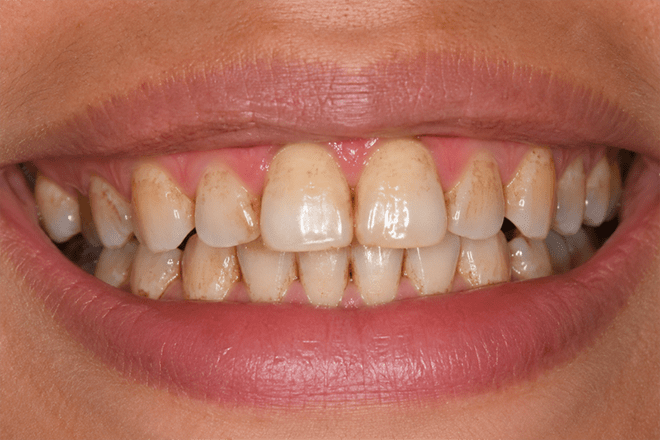
Coffee stains teeth when dark-colored compounds collect on the enamel surface and become trapped in the thin film that naturally coats your teeth.
Your teeth may feel smooth, but saliva creates a thin layer over them called the acquired pellicle. Coffee pigments can stick to this layer.
With repeated exposure, those pigments can gradually become more visible.
This is usually called an extrinsic stain, which means the discoloration sits mainly on the outside of the tooth rather than forming deep inside it.
Coffee, tea, red wine, tobacco, and other strongly colored substances can all cause this type of staining.
Coffee Staining Is More Complicated Than Tannins
Tannins often get most of the blame for coffee stains, but the process involves more than one compound.
Researchers have also studied chlorogenic acids, melanoidins, and the way coffee interacts with proteins in saliva. These compounds can contribute to color changes on the tooth surface.
Exposure time matters too.
If you finish one cup during breakfast, your teeth come into contact with coffee for a shorter period. If you keep the same cup beside your desk and sip it for several hours, your teeth are exposed again and again.
That repeated contact gives pigments more opportunities to settle.
Does the Type of Coffee Matter?
Different coffees may cause different amounts of staining.
Research has looked at factors such as roast level, coffee variety, temperature, and chlorogenic acid content. Some laboratory studies have found measurable differences in tooth discoloration between types of coffee.
For everyday life, though, your drinking habits are easier to control than the chemistry of the beans.
How long you sip, whether you rinse afterward, and how well you keep plaque under control can all affect how noticeable stains become.
How to Prevent Coffee Stains Without Giving Up Coffee
You can reduce coffee staining by limiting how long coffee stays in contact with your teeth and clearing leftover coffee from your mouth after you finish drinking.
You do not need an elaborate routine. A few habits can make stain management much easier.
Rinse With Water After Coffee
One of the simplest things you can do is drink or rinse with plain water after your coffee.
Water helps wash away some of the coffee left around your teeth. It also supports saliva as it clears the mouth naturally.
Keep a glass or bottle of water nearby if you tend to forget.
This is gentler than brushing every time you finish a cup and easy enough to make part of your daily routine.
Avoid Sipping Coffee for Hours
Slow sipping increases the amount of time your teeth stay exposed to coffee.
Instead of stretching one drink across the entire morning, try finishing it within a more defined period.
You do not need to rush. The goal is simply to reduce continuous contact.
This small change may be especially helpful if you work at a desk and tend to keep coffee beside you for hours.
Use a Straw With Iced Coffee
A straw can reduce how much cold coffee washes directly across your front teeth.
Place the straw slightly farther back in your mouth instead of holding it directly behind your lips.
This will not stop coffee from touching your teeth completely, but it may reduce contact with the surfaces that show most when you smile.
This tip works best for iced coffee or cold brew.
Wait Before Brushing
You may feel tempted to brush immediately after coffee, especially if you want to remove the taste or prevent staining.
Rinsing with water first is a gentler choice.
Coffee is acidic, and acidic drinks can temporarily affect the tooth surface. Brushing right away can add friction when the enamel has just been exposed to acid.
Waiting around 30 minutes before brushing is a practical approach for many people.
If mornings are busy, brushing before your first coffee is another option.
Keep Plaque Under Control
Coffee stains tend to become more noticeable when plaque and other deposits build up on the teeth.
Brush twice a day with a soft-bristled toothbrush and clean between your teeth once a day.
There is no need to scrub hard.
Gentle, regular cleaning does more for your smile than aggressive brushing after discoloration has already appeared.
Regular dental cleanings can also remove deposits that are difficult to remove at home.
How to Remove Coffee Stains From Teeth
Light coffee stains often respond to routine cleaning and stain-removing toothpaste, while darker discoloration may need whitening or professional care.
The right method depends on where the discoloration is coming from.
Start With Surface-Stain Removal
If your teeth gradually look more yellow or brown after frequent coffee drinking, start with your daily oral-care routine.
Whitening toothpaste can help polish away external stains on the enamel surface.
Some formulas rely mainly on polishing ingredients, while others include ingredients aimed at lightening discoloration.
Do not assume that stronger abrasion means better results.
A toothpaste that feels extremely gritty is not necessarily better for everyday use. Choose a product designed for regular brushing and use light pressure with a soft toothbrush.
Consider At-Home Whitening for a Bigger Change
Sometimes removing surface stains is not enough to produce the shade you want.
At-home whitening strips, gels, trays, and similar products are designed to lighten tooth discoloration rather than simply polish the surface.
Follow the product directions carefully.
Leaving whitening treatments on longer or using them more often than recommended does not guarantee faster results. It may make tooth sensitivity or gum irritation more likely.
If your teeth are already sensitive, a gradual whitening routine may be easier to tolerate.
Remember That Dental Work Responds Differently
Whitening products work on natural teeth.
Crowns, veneers, bonding, and tooth-colored fillings usually do not whiten in the same way.
This matters if you have dental work near the front of your smile.
Whitening the surrounding natural teeth can sometimes make an existing restoration appear darker by comparison. A dentist can help you decide whether whitening makes sense before you begin.
Professional Cleaning or Teeth Whitening?
A professional cleaning removes deposits and many surface stains, while whitening treatments are designed to lighten the shade of natural teeth.
These treatments solve different problems.
If coffee stains have collected around plaque, tartar, or other buildup, a dental cleaning and polishing may make your teeth look noticeably brighter.
If your teeth are already clean but still appear darker than you would like, whitening may be the better option.
Getting a cleaning before starting a new whitening routine can also help you see how much discoloration comes from surface buildup and how much comes from the natural shade of your teeth.
A Simple Coffee Routine for a Brighter Smile
Keeping coffee in your routine does not need to make oral care complicated.
Try this:
- Brush before coffee when it fits your schedule.
- Avoid sipping the same cup for several hours.
- Use a straw for iced coffee if you prefer.
- Rinse or drink plain water afterward.
- Wait before brushing again.
- Brush twice daily and clean between your teeth.
- Keep up with regular dental cleanings.
The goal is consistency, not perfection.
Reducing repeated exposure can help slow stain buildup and make your usual oral-care routine more effective.
When a Tooth Stain May Not Be From Coffee
A single dark tooth, sharply defined spot, or discoloration that does not improve with cleaning should be checked by a dentist.
Coffee usually causes broader staining across several teeth.
It is less likely to explain one tooth that suddenly becomes gray, brown, or much darker than the teeth around it.
Discoloration can also come from decay, injury, older dental work, or changes inside the tooth.
Pay attention if a color change comes with pain, sensitivity, cracks, rough areas, or changes around a filling or crown.
In those situations, whitening should not be your first step. Finding the cause of the discoloration matters more.
Can You Keep Drinking Coffee and Still Have White Teeth?
Yes. You can enjoy coffee and still keep your teeth looking bright.
The goal is not to stop every drop of coffee from touching your enamel. That would be unrealistic.
Focus on reducing prolonged exposure, drinking water afterward, cleaning your teeth consistently, and using whitening products carefully when you want more visible stain removal.
Keep your natural tooth color in mind too. Healthy teeth are not always bright white.
A good beauty routine should make your smile look clean and fresh without pushing you toward more whitening than your teeth need.
Frequently Asked Questions
Does coffee permanently stain your teeth?
Coffee usually causes surface staining, and much of that discoloration can be reduced with brushing, professional cleaning, or whitening. Deeper discoloration may need a different approach.
How do you get coffee stains off your teeth?
Start with regular brushing, cleaning between your teeth, and a toothpaste designed to remove surface stains. Professional cleaning or whitening may help if discoloration remains.
How can you drink coffee without staining your teeth?
Avoid sipping for hours, rinse with water afterward, use a straw for cold coffee when convenient, and maintain regular oral hygiene.
Should you brush your teeth right after drinking coffee?
It is better to rinse with water first and give your mouth some time before brushing. Waiting about 30 minutes is a practical approach.
Can whitening toothpaste remove coffee stains?
Whitening toothpaste can help remove many coffee stains that sit on the enamel surface. If you want a larger shade change, another whitening method may be more suitable.



Leave a Comment